The increasingly unpredictable changes in weather are quietly altering the living environment around us. In Vietnam, it is easy to notice that foggy days and hazy air caused by air pollution are becoming more frequent. Based on daily updated data on the IQAir.com website, it can be seen that our country often ranks among the nations with high PM2.5 concentration warnings. Instead of waking up and enjoying outdoor activities in the fresh morning air, people in major urban areas are now facing mornings filled with fog, smoke, and dense fine dust, along with recommendations to limit outdoor exercise, keep windows closed to avoid polluted air, wear masks when going outside, and use air purifiers. These are clear signs that the climate crisis is no longer a distant issue but is directly affecting our daily lives.
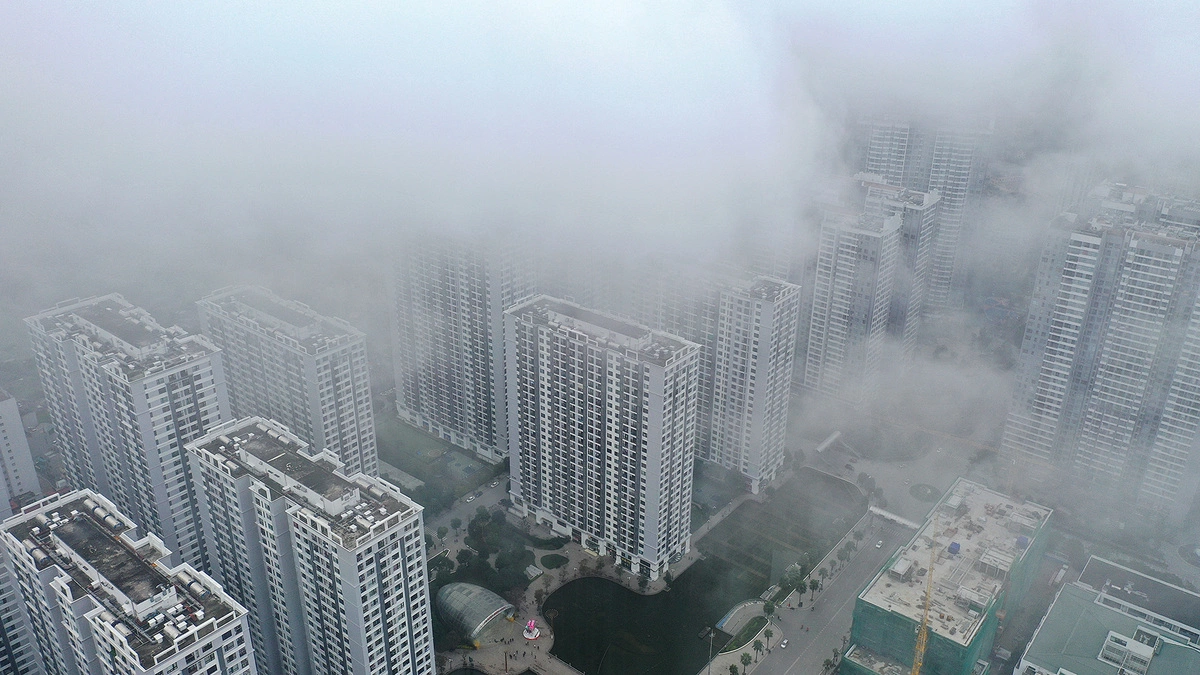
Thick fog covers high-rise buildings in Hanoi on a morning. Photo: VnExpress/Giang Huy.
The air thick with smoke, dust, fuel odors, and industrial emissions is the result of our continued heavy reliance on fossil fuels and polluting activities. On gloomy days, the lingering smell of smoke and dust in the air is not only unpleasant but also poses potential health risks, especially for the elderly and young children. All of these factors serve as a clear warning of an environmental crisis that has been smoldering beneath the surface yet is becoming increasingly serious, directly affecting the health and quality of life of every individual.
From outdoor pollution to indoor air quality
Air pollution is now considered one of the most serious threats to human health worldwide. It occurs when the concentration of foreign substances such as fine particulate matter (PM10, PM2.5), nitrogen dioxide (NO2), ground-level ozone (O3), or even certain volatile organic compounds (VOCs) reaches levels high enough to harm the body. Not only does it increase the burden of disease, but it is also a leading cause of premature death on a concerning scale. According to Health Data, air pollution ranks fifth among the top causes of global mortality. Long-term exposure to polluted air can reduce lung function and increase the risk of respiratory infections, while also being closely linked to cardiovascular problems, allergies, and asthma. In fact, air pollution causes around 10 million premature deaths every year, a number that clearly signals the seriousness of this issue.
Among the pollutants contributing to air contamination, fine particulate matter is regarded as the greatest threat to health and affects people of all ages. These are extremely small solid particles and liquid droplets suspended in the air that can easily penetrate deep into the respiratory tract when we breathe. Exposure to fine particulate matter can irritate the nose, throat, and lungs, leading to symptoms such as coughing, wheezing, chest tightness, and shortness of breath. Prolonged exposure can reduce lung function and increase the risk of chronic respiratory diseases. The level of impact varies by individual, but children, older adults, and those with pre existing respiratory conditions are more likely to experience severe symptoms.
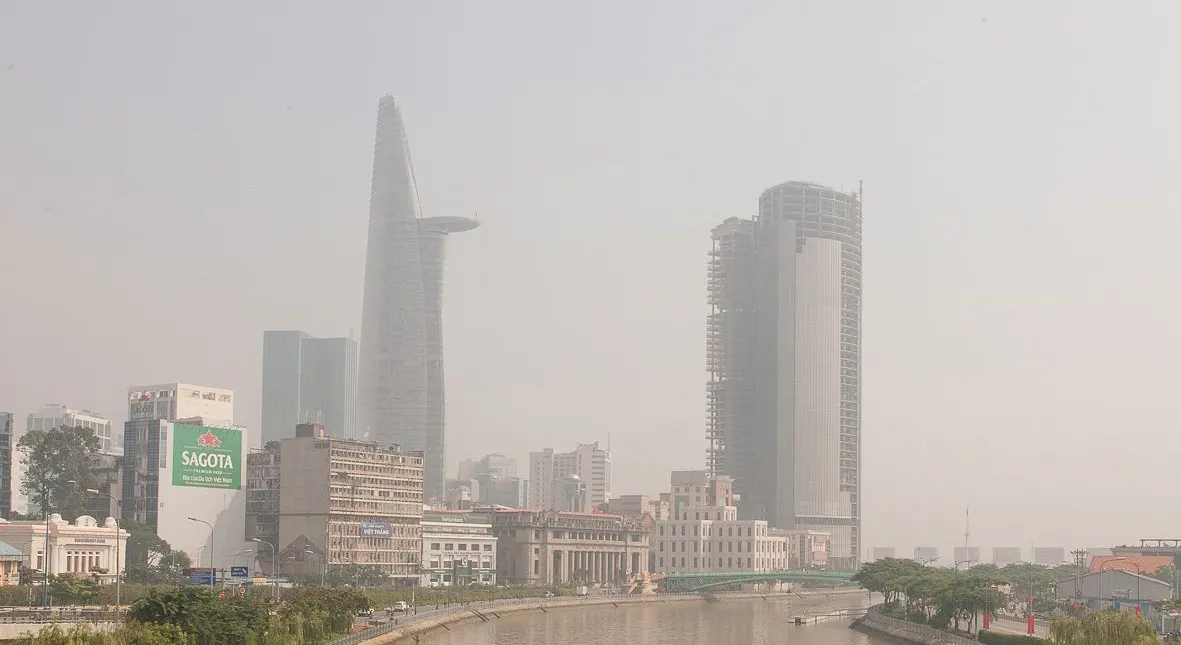
Air pollution is a daily nuisance for many people who live and work in Ho Chi Minh City. Photo: Saigoneer.
Unfortunately, outdoor air pollution has a direct and close connection to indoor air quality. Many people believe that staying indoors is safer, but in reality outdoor air can easily enter through various pathways such as doors, windows, wall gaps, ventilation systems, or air conditioners. When levels of fine dust, traffic emissions, and other outdoor pollutants rise, they can enter living spaces and reduce indoor air quality.
Indoor pollution is not only influenced by the outside environment, it also tends to linger longer due to enclosed spaces and poor ventilation. Fine dust, cooking smoke, emissions from gas stoves, cleaning chemicals, and VOCs released from furniture can build up over time, which means the level of indoor pollution can sometimes be even higher than outdoors.
How to protect yourself from pollution
To maintain good health, besides exercising, breathing clean air is even more important. Therefore, when air pollution becomes a common issue, finding ways to protect yourself is essential for the long term well-being of your family. Starting with small changes in daily habits can already make a big difference, helping reduce exposure to pollution without disrupting ordinary life.
1. The first and most important step is to monitor air quality alerts such as the AQI index, weather forecasts, or updates from health authorities. This helps you know when to limit outdoor activities and when you can ventilate your home and continue your routine. Do not take these recommendations lightly because they are based on real data and professional experience, helping communities reduce health risks.
2. When fine dust levels are high, limit going outside and prioritize staying indoors. Although staying indoors is not completely safe, it significantly reduces the amount of pollutants you breathe in. You may also consider public places with good air conditioning and filtration systems such as libraries, community centers, or shopping malls. These places usually have cleaner and cooler environments, providing temporary shelter during periods of severe pollution.
3. Drink enough water to support your body in removing dust and pollutants. When your body is well hydrated, the mucous membranes in your nose and throat work more effectively, helping filter dust and reduce irritation caused by polluted air. Carrying a bottle of water with you can be a useful companion on days when the air feels unpleasant.
4. If you must travel outdoors, use masks capable of filtering fine dust. These masks can trap most small particles that pose risks to the lungs. However, they cannot stop toxic gases, so masks are only a risk reduction measure rather than complete protection.
5. Running, cycling, or carrying heavy loads in polluted environments increases your breathing rate, allowing more fine dust to penetrate deeply into the lungs. If you want to stay active, switch to lighter indoor exercises, yoga, or stretching to maintain your routine without putting your body at additional risk.
6. Pay attention to your body and notice unusual signs. Symptoms such as headaches, persistent coughing, itchy eyes, shortness of breath, or chest tightness may indicate your body is struggling with polluted air. When these symptoms appear, rest, reduce exposure to polluted environments, and seek advice from medical professionals if necessary.
7. Do not hesitate to share information and support neighbors when possible, because not everyone knows how to protect themselves from air pollution. You can help older adults, children, or those living alone by reminding them to wear masks, keep windows closed during high AQI periods, or simply share reliable sources of information. Small actions can make a big difference for the community.
How can we protect indoor air quality?
When the outdoor air quality index reaches an unhealthy level, limiting time outside is not enough. You also need to actively keep your indoor environment clean to reduce health risks. Here are some practical solutions you can apply:
Keep your living space sealed during high pollution periods
On days when the AQI rises sharply, opening windows for fresh air may unintentionally allow fine dust and other pollutants to enter your home. Keep doors and windows closed, cover gaps, and avoid using ventilation fans if outdoor airflow goes directly indoors. If the air indoors becomes stuffy, you can choose cleaner times, such as early morning or after rain, to open windows for a short period. This allows ventilation without bringing in too much dust.
Invest in an air purifier or clean your home thoroughly
An air purifier with a HEPA filter operating continuously can act as a second set of lungs for you, especially during high pollution seasons. However, if you do not have access to one, you can still reduce indoor dust by wiping surfaces with a damp cloth, vacuuming with a filter equipped vacuum cleaner, instead of dry sweeping. Reducing dust from becoming airborne again helps make your home noticeably easier to breathe in.
If pollution persists for many days, you can choose a room with fewer windows and good sealing, and place an air purifier inside. Try to limit opening the door to this room to keep the air as clean as possible. This can be a safer space for older adults, young children, or those sensitive to fine dust.
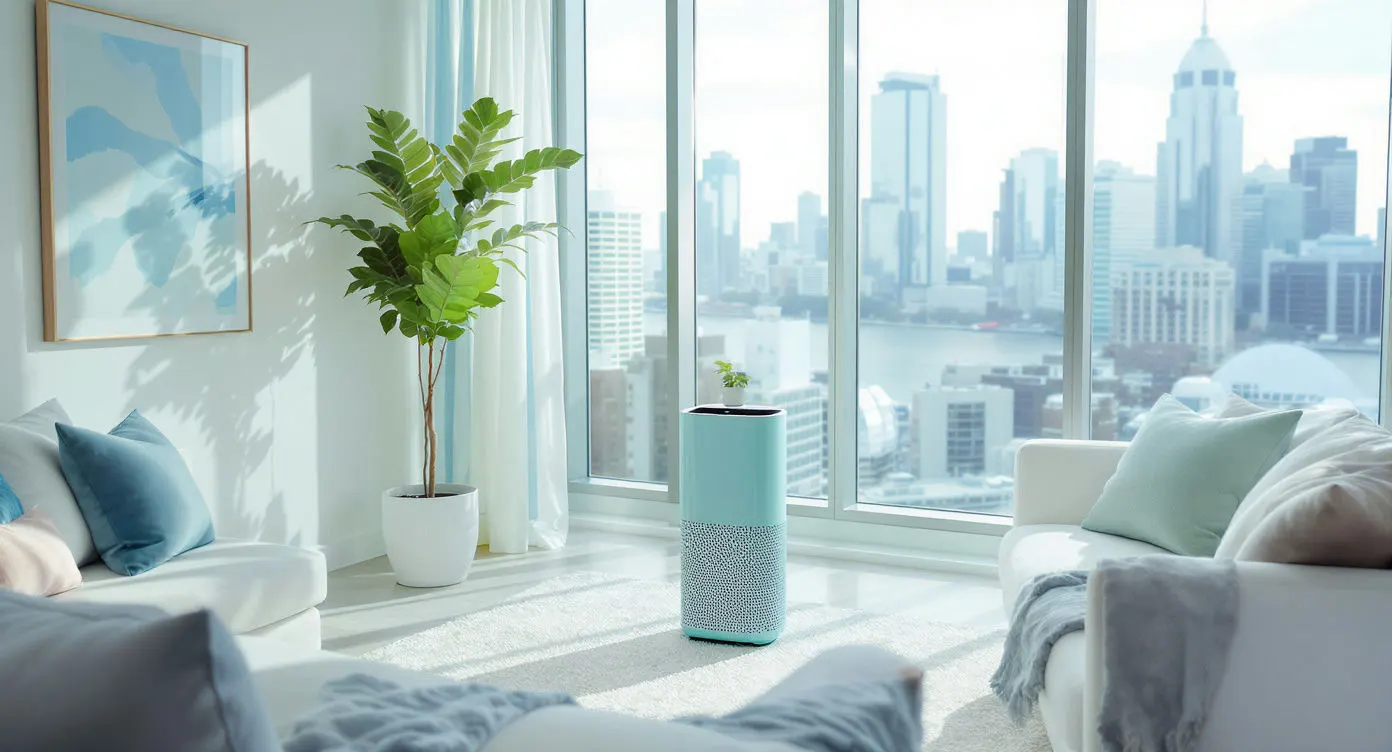
Regular cleaning combined with the use of an air purifier is an effective way to remove fine dust from the air and improve the IAQ index. Photo: Careand.
Limit activities that generate smoke and dust indoors
Even when outdoor air is polluted, daily indoor habits can make air quality worse. Activities such as deep frying with lots of oil, burning incense or scented candles, or smoking indoors can significantly increase dust and emissions in enclosed spaces. By temporarily adjusting your habits, such as cooking simpler meals to avoid generating smoke, you can make your home noticeably safer.
Maintain proper humidity and stay hydrated
Dry air, especially when air conditioning is used continuously, can dry out the throat and nose, making them more easily irritated when exposed to fine dust. Using a light humidifier or simply drinking water regularly throughout the day helps your body maintain its natural protective layer in the respiratory system.
Clean your home regularly so dust does not accumulate
Dust does not only come from outside. Everyday items such as clothes, bedding, curtains, and furniture can trap and release dust. Regular cleaning, shaking out curtains, washing bedding, wiping surfaces, and vacuuming floors all help remove dust buildup and prevent it from returning to the air every time you move around the house.
So, how can we improve air quality at the workplace?
In reality, many people living and working in buildings experience health issues caused by the very air they breathe every day. This is why improving air quality is not only important at home, but also at the office where you spend a large part of your day.
-
Spend some time inspecting your entire workspace, take notes of areas showing signs of leaks, mold, or damage, and pay attention to potential emission sources such as chemicals, construction materials, or old equipment that may affect air quality.
-
Regular vacuuming of carpets and daily floor cleaning help reduce dust accumulation. Cleaning products should be stored in a well ventilated area away from working spaces, and cleaning should ideally be done after working hours to minimize exposure for others.
-
Ban smoking indoors and designate outdoor smoking areas with good airflow to reduce lingering smoke in the workplace.

